
Built to Expire
The self-destruction built into consumerism

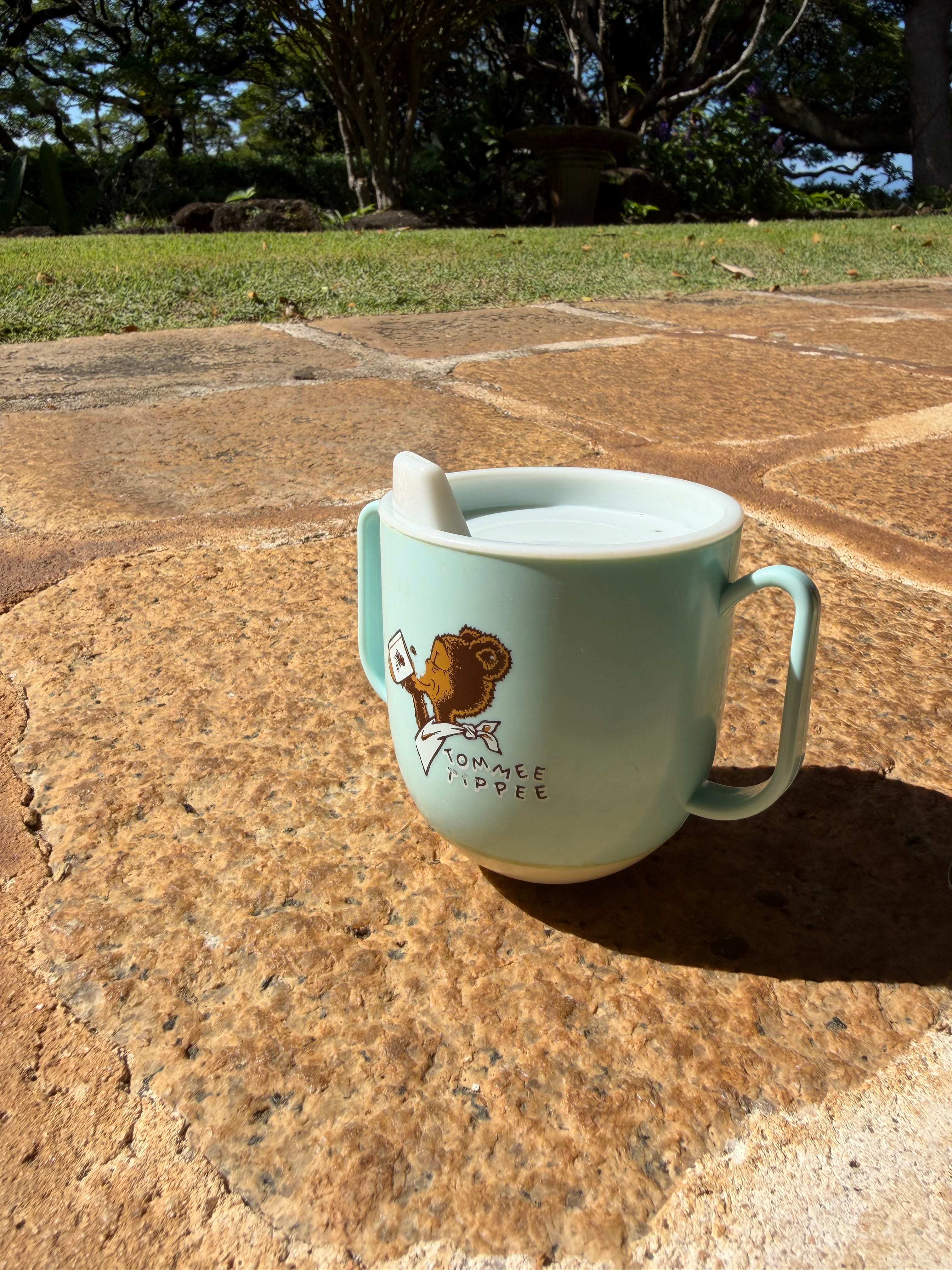
Cleaning up the many belongings of my parents, this little cup re-surfaced. It’s a sippy cup from around 1978, and it’s now being used by our children, who are still learning to drink without spilling.
In contrast to our modern bottles, it’s rather clear that this little cup is still in good condition, good colour, and indefatigably usable. The modern bottles are coming apart faster than this old cup - which frankly looks newer.
The modern quest for constant revenue makes consumables and expiring products the strategy of choice for retail. Clothes, electronics, cars, medical devices - everything is built to fall apart.
Planned obsolescence may be a good pitch to investors, but as a human strategy it seems rather short sighted to me. I would argue that Switzerland stands as a good example of a built to last culture, as well as Japan. How many times have we run into a 300,000-mile Toyota that seems to be running rather well?
I have an ethical beef with planned obsolescence, as it plans for a faster cycle to the waste dump or the land fill. For all our rhetoric about sustainability, this ethos is at the center of our present economic model, and it encourages ephemeral design rather than thoughtful long-termism.
Perhaps we’d best assign some blame to the consumer as well - if they were willing to pay more for items that last, the companies would have a business model to produce long lived products. This might be more challenging in rapidly evolving fields, but still an important design principle that has been transformed to a negative in many arenas.
If humanity wants to pretend to an environmentally conscious species, we must address our appetite for continuous material purchases. Fewer, better, and longer lasting is how I hope we can build. Less waste, less turnover, more meaningful labor.
The next time we intend to purchase something on impulse, let’s all ask ourselves a little more about the longevity of our acquisition and whether it fits our presumed ethical framework.
As businesses that claim sustainability as a goal, the same principles ought to come into play during the design process.
Profit should not be pursued at all costs.